The Art of Structural Simplicity: Mastering 3D Box Geometric Patterns with Black Lines on Gray
In the vast landscape of digital design, certain visual languages speak louder than words. Among these, the combination of 3D boxes, black lines, and geometric patterns stands out as a timeless yet modern aesthetic. This specific style—often characterized by abstract boxes drawn with crisp black lines against a neutral gray background—represents more than just a decorative choice. It is a sophisticated expression of order, technology, and structural integrity. Whether you are a graphic designer seeking high-quality vector assets or a business owner looking to convey stability through your brand identity, understanding the nuances of this geometric form is essential.
This article explores the significance of these vector illustrations, their technical advantages, and how they fit into the broader context of modern creativity and technology. We will delve into why the hexagon geometry structure and the minimalist use of color create such a powerful impact, ensuring that your designs remain both readable and visually striking.
Understanding the Aesthetic: Why Black Lines and Gray Backgrounds?
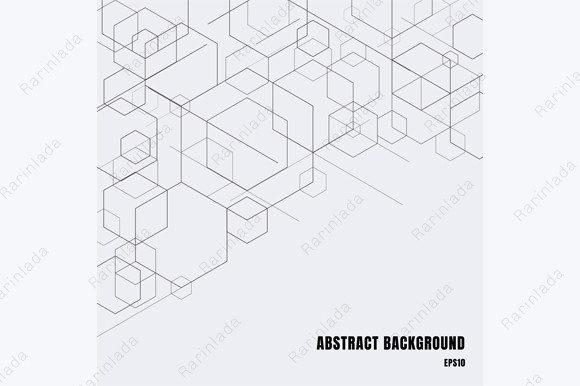
At first glance, a design featuring abstract boxes and black lines might seem understated. However, the power of this aesthetic lies in its restraint. By utilizing a monochromatic palette—primarily black ink on a soft gray canvas—the design removes the distraction of color, forcing the viewer to focus on form, depth, and structure. This approach is rooted in the principles of Bauhaus and Swiss Style design, which emphasize functionality and clarity.
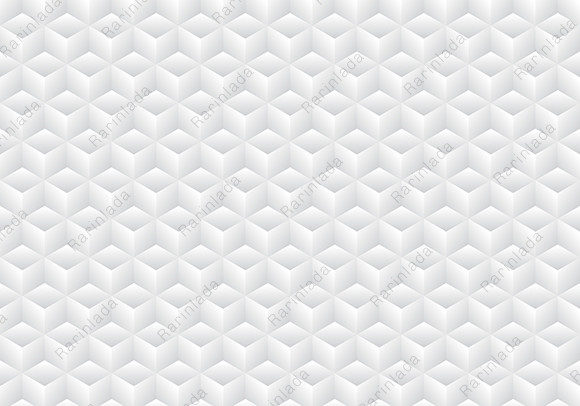
The gray background plays a crucial role here. Unlike pure white, which can sometimes feel harsh or clinical, gray provides a neutral ground that allows the black lines to pop without causing eye strain. It suggests sophistication and professionalism. When combined with 3D box illustrations, the gray surface acts as a virtual floor or wall, giving the geometric shapes a sense of place and dimensionality. This creates an illusion of depth, making flat vector graphics appear tangible and three-dimensional.
The Role of Hexagon Geometry Structures
While cubes and squares are common, the inclusion of hexagon geometry structures adds a layer of complexity and natural resonance. Hexagons are found everywhere in nature, from honeycombs to snowflakes, symbolizing efficiency and strength. In design, hexagonal grids allow for seamless tiling and intricate patterns that feel organic yet mathematically precise. When rendered as 3D boxes with black outlines, these hexagonal forms create a dynamic interplay between 2D平面 (plane) and 3D space, offering a visual rhythm that is both engaging and calming.
The Technical Advantage: Vector Illustrations Explained
One of the most critical aspects of the design resources described is that they are 100% vector. But what does this mean for you, and why is it so important? Unlike raster images (such as standard JPEGs or PNGs), which are made up of pixels, vector graphics are created using mathematical equations. This fundamental difference offers several distinct advantages for designers and developers.
- Infinite Scalability: Because vectors are based on math rather than pixels, you can scale a 3D box pattern from the size of a business card to the size of a billboard without losing any quality. There is no pixelation or blurring.
- Fully Editable: Every line, angle, and shape is an independent object. You can change the thickness of the black lines, adjust the perspective of the 3D boxes, or recolor the gray background with ease.
- Smaller File Sizes: Vector files are often lighter than high-resolution raster images, making them faster to load on websites and easier to store.
This flexibility is particularly valuable when creating modern technology digital patterns. Tech companies often need their branding to look sharp on everything from tiny mobile app icons to large conference banners. Vector assets ensure consistency across all platforms.
File Formats and Compatibility: What You Receive
When purchasing or downloading high-quality design assets, knowing the file formats included is vital. The description highlights two primary formats: EPS Version 10 and JPG. Understanding the purpose of each ensures you get the most out of your purchase.
EPS Version 10: The Professional Standard
The EPS (Encapsulated PostScript) format is the industry standard for vector graphics. Specifically, EPS Version 10 is widely compatible with almost all vector-based graphic programs. This includes:
- Adobe Illustrator: The gold standard for vector design.
- Corel Draw: A popular alternative for many professional designers.
- Inkscape: A free, open-source vector editor.
- Affinity Designer: A modern, cost-effective vector tool.
By receiving the file in EPS Version 10, you guarantee that the layers, paths, and editing capabilities remain intact. This means you are not just buying an image; you are buying a fully editable template that can be adapted to your specific needs. For instance, if you need to add text to the geometric pattern or integrate it into a larger layout, the EPS file allows for non-destructive editing.
JPG: For Quick Preview and Web Use
The included JPG (JPEG) file serves a different purpose. It is a rasterized version of the vector artwork, optimized for quick viewing and web display. While you cannot edit the individual lines in a JPG, it is perfect for:
- Previewing the design before opening it in heavy software.
- Using directly in presentations where editing is not required.
- Uploading to social media or website backgrounds where vector files are not supported.
Having both formats gives you the best of both worlds: the precision and editability of vectors for production, and the convenience of raster images for immediate use.
Practical Applications in Business and Creativity
So, how do you apply these 3D boxes and black lines geometric patterns in real-world scenarios? The versatility of this design style makes it suitable for a wide range of industries.
Tech and Innovation
In the tech sector, clean lines and geometric structures communicate innovation, data, and connectivity. A background of abstract boxes can represent data nodes, server racks, or digital architecture. Using these patterns for website headers, presentation slides, or app interfaces immediately signals to the user that the brand is modern and forward-thinking.
Architecture and Construction
For architects and construction firms, the 3D box illustration is a literal representation of building blocks. These patterns can be used in brochures, blueprints, or marketing materials to showcase structural planning and design expertise. The hexagon geometry can further emphasize concepts of efficiency and sustainable building practices.
Education and Information Graphics
In education, complex information needs to be broken down into digestible parts. Geometric patterns help organize content visually. Teachers and instructional designers can use these vector assets to create diagrams, infographics, and learning modules that guide the student’s eye through a logical sequence of information.
High Resolution and Print Readiness
A common misconception among beginners is that vector graphics are only for digital screens. However, the description notes that these files are available in high resolutions at 300 dpi. This is the standard requirement for professional printing.
Whether you are printing flyers, posters, or packaging, the 300 dpi resolution ensures that the black lines remain crisp and the edges of the 3D boxes are sharp. There is no risk of "jagged" edges or blurry text. Furthermore, the fact that there is no watermark included means you have full commercial rights to use these designs in your final products without legal concerns or unsightly overlays.
Building a Cohesive Visual Identity
To truly leverage the power of geometric form and vector illustration, consider how these elements fit into your broader brand identity. Consistency is key. If your logo uses clean lines and minimal colors, extending that aesthetic to your background patterns, business cards, and digital ads creates a cohesive experience.
Experiment with varying the density of the black lines. A sparse pattern might work well for a subtle background texture, while a dense, overlapping grid could serve as a bold header element. Try altering the opacity of the gray background to create depth. The ability to fully edit these vector files allows you to tailor the intensity and scale of the pattern to match your specific layout requirements.
Conclusion: Embracing the Clarity of Geometry
In a world saturated with chaotic visuals and overwhelming information, the simplicity of 3D boxes, black lines, and geometric patterns offers a breath of fresh air. It is a design language that values clarity, precision, and structure. By utilizing high-quality, 100% vector assets in formats like EPS Version 10 and high-res JPG, designers and businesses can create materials that are not only visually appealing but also technically robust and versatile.
Whether you are designing a cutting-edge tech interface, an architectural portfolio, or an educational resource, these abstract geometric forms provide a reliable foundation. They remind us that sometimes, less is more, and that strong lines can define our perception of space and technology. By mastering these tools, you equip yourself with the ability to communicate complex ideas with elegance and authority.
Start exploring these vector possibilities today. Download your assets, open them in your preferred graphic program, and begin transforming simple lines into powerful visual statements.