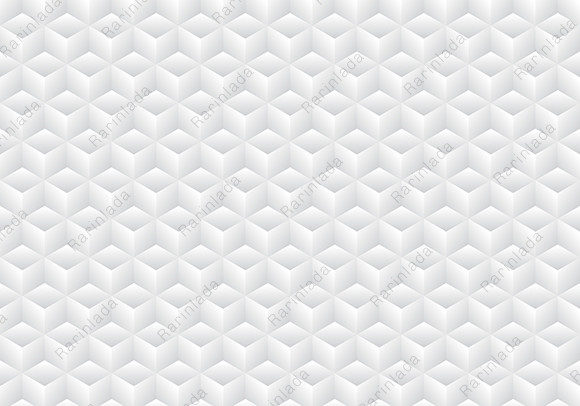
3D White Gradient Cube Geometric Pattern: A Versatile Design Asset
In the evolving landscape of digital design and visual communication, simplicity often speaks louder than complexity. The 3D White Gradient Cube Geometric Pattern has emerged as a staple for designers seeking to convey modernity, cleanliness, and structural integrity without overwhelming the viewer. This specific aesthetic combines the mathematical precision of geometric symmetry with the soft, approachable nature of white and gray gradients. For creators, business owners, and marketing professionals, understanding the utility and application of this pattern is essential for creating high-impact visual content.
This article explores the nuances of this vector-based design asset, detailing its technical specifications, practical applications, and why it remains a preferred choice for high-resolution projects. Whether you are designing a corporate website, preparing print materials, or crafting social media graphics, mastering the use of clean, gradient-driven geometric patterns can significantly elevate your brand’s visual identity.
Understanding the Visual Appeal
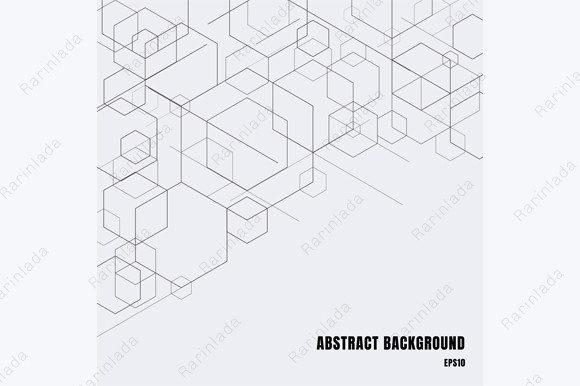
At its core, the 3D White Gradient Cube Geometric Pattern relies on the interplay of light and shadow to create depth. Unlike flat designs that sit entirely on a two-dimensional plane, this pattern uses subtle shifts in color—specifically from pure white to varying shades of cool gray—to simulate three-dimensionality. This technique, known as chiaroscuro in traditional art, translates effectively into digital vector graphics.
The "cube" element provides a sense of structure and stability. Cubes are universally recognized symbols of building blocks, data, and organization. When arranged in a symmetrical pattern, they suggest order and reliability. The gradient effect softens these rigid shapes, making them feel organic and fluid rather than harsh or industrial. This balance between rigidity and softness is what makes the pattern so versatile across different industries.
Key Characteristics
- Symmetry: The pattern utilizes precise geometric symmetry, ensuring that every repetition aligns perfectly. This creates a mesmerizing, rhythmic visual flow that guides the eye across the design.
- Monochromatic Palette: By sticking to white and gray tones, the design remains neutral. This neutrality allows it to serve as a background or texture without clashing with foreground elements like text or product images.
- Vector-Based Construction: Being fully editable vector graphics means the design retains its crisp edges and smooth gradients regardless of how much it is scaled. There is no pixelation, even when enlarged for large-format printing.
Technical Specifications and File Formats
For professionals working in graphic design, software compatibility and file quality are paramount. The 3D White Gradient Cube Geometric Pattern is delivered as a high-quality vector file, ensuring maximum flexibility during the editing process. Understanding the included formats helps users determine how best to integrate the asset into their workflow.
EPS Version 10 Compatibility
The primary format provided is EPS (Encapsulated PostScript) Version 10. This is a robust standard supported by virtually all major vector-based graphic programs, including Adobe Illustrator, Corel Draw, Affinity Designer, and Inkscape. EPS files preserve the editable nature of the vectors, allowing designers to:
- Modify individual cube shapes and their positions.
- Adjust gradient stops and opacity levels to match specific brand colors.
- Resize the pattern infinitely without losing resolution.
This level of editability is crucial for custom branding. A business might want to tweak the shade of gray to match their exact hex code or adjust the density of the cubes to create more negative space for text overlay.
JPG Preview and High Resolution
In addition to the vector source file, a JPG version is included. This serves as a high-resolution preview, typically at 300 dpi (dots per inch). This resolution is critical for print-on-demand services, brochures, business cards, and packaging. While the JPG is not editable in the same way as the EPS, it ensures that the designer can see exactly how the final rasterized output will look before committing to production. The lack of watermarks in both versions guarantees that the user receives a clean, professional asset ready for commercial use.
Practical Applications Across Industries
The versatility of the 3D White Gradient Cube Geometric Pattern allows it to be deployed in a wide array of contexts. Its clean aesthetic makes it suitable for sectors that value precision, innovation, and clarity.
Technology and Software
Tech companies often use geometric patterns to represent data, algorithms, and connectivity. The cube is a natural metaphor for digital building blocks. Using this pattern on landing pages, app interfaces, or tech conference backdrops reinforces themes of innovation and structured thinking. The white gradient suggests cloud computing, purity of code, and seamless integration.
Corporate and Financial Services
Banking, insurance, and consulting firms require visuals that communicate trust and stability. The symmetrical nature of the cube pattern subconsciously signals reliability. When used on annual reports, executive presentations, or office interior wall coverings, the pattern adds a layer of sophistication without distracting from the financial data being presented. The monochromatic scheme ensures that charts and graphs remain the focal point.
Architecture and Real Estate
Architects and real estate developers frequently utilize geometric textures to showcase blueprints, floor plans, or property listings. The 3D aspect of the pattern mirrors the physical structures they design. It can be used as a subtle watermark on documents or as a full-page background for luxury property brochures, evoking a sense of modern architectural elegance.
Educational and Scientific Materials
In education, complex concepts are often simplified through visualization. The cube pattern can be used in textbooks, online courses, or scientific posters to represent molecular structures, mathematical models, or engineering principles. Its clean look reduces cognitive load, allowing students to focus on the information rather than being distracted by busy or colorful backgrounds.
Evaluating Suitability for Your Project
While the 3D White Gradient Cube Geometric Pattern is highly adaptable, it is important to assess whether it fits the specific goals of your project. Not every design needs a heavy background texture, and sometimes less is more.
When to Use This Pattern
- Backgrounds: It excels as a low-opacity background behind text or logos. The gradient provides enough visual interest to prevent the design from feeling flat, while the white space ensures readability.
- Branding Elements: It can be isolated to create unique icons, dividers, or decorative borders for websites and email newsletters.
- Print Media: Due to its 300 dpi capability, it is ideal for high-quality prints where detail matters, such as business cards, letterheads, and presentation folders.
Considerations and Limitations
One potential limitation is the reliance on contrast. Because the pattern is primarily white and light gray, it may not provide sufficient contrast against white text or very light-colored elements. Designers must ensure that any overlaid content is dark enough to be legible. Additionally, because the pattern is repetitive, care should be taken when scaling it up for very large displays to avoid noticeable tiling artifacts, although the vector nature of the file minimizes this risk.
Maximizing Value Through Customization
The true power of receiving this asset as a fully editable vector lies in customization. Rather than using the pattern "as-is," designers can experiment with various modifications to better suit their narrative.
For instance, altering the gradient angles can change the perceived lighting direction, which might affect the mood of the design. Tilting the cubes slightly can break the strict symmetry, introducing a dynamic, energetic feel suitable for startups or creative agencies. Furthermore, integrating other geometric shapes or incorporating accent colors into the gradients can transform the pattern from a minimalist background into a bold, primary design element.
Workflow Efficiency
Using pre-made vector assets like this saves significant time in the design process. Instead of manually constructing each cube and calculating gradient stops, designers can import the EPS file and immediately begin integrating it into their layout. This efficiency allows more time for strategic planning and copywriting, ultimately leading to a more polished final product.
Conclusion
The 3D White Gradient Cube Geometric Pattern represents a convergence of aesthetic appeal and technical utility. Its clean, modern look appeals to a broad audience, while its vector format ensures it meets the rigorous demands of professional design workflows. From technology startups to established financial institutions, the ability to convey structure, clarity, and sophistication through simple geometric forms is an invaluable skill.
By leveraging high-resolution, editable assets like this, creators can produce materials that are not only visually striking but also technically robust. Whether used as a subtle texture or a dominant graphical element, the cube pattern offers a reliable foundation for effective visual communication. As digital trends continue to favor minimalism and clarity, assets that embody these principles will remain essential tools in the designer’s arsenal.
For those looking to enhance their design repertoire, investing in high-quality, versatile vector patterns is a smart strategy. It provides the flexibility to adapt to changing project needs while maintaining a consistent standard of professionalism and visual harmony.