3D Sock Layered Cut Files: A Practical Guide to Digital Crafting
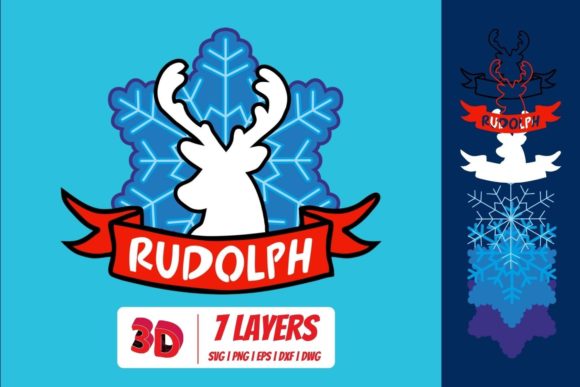
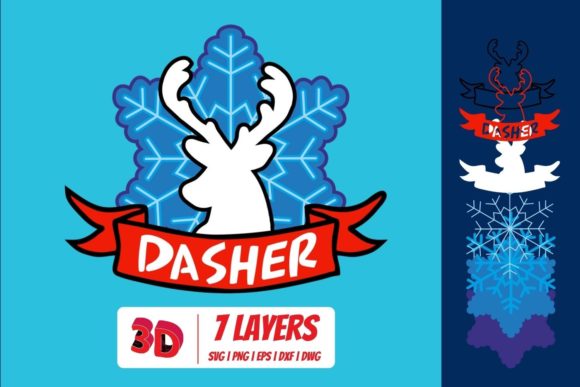
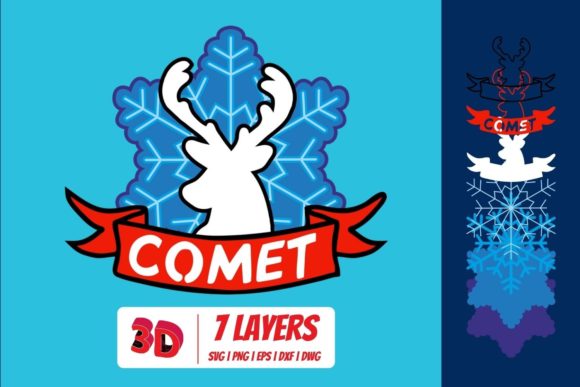
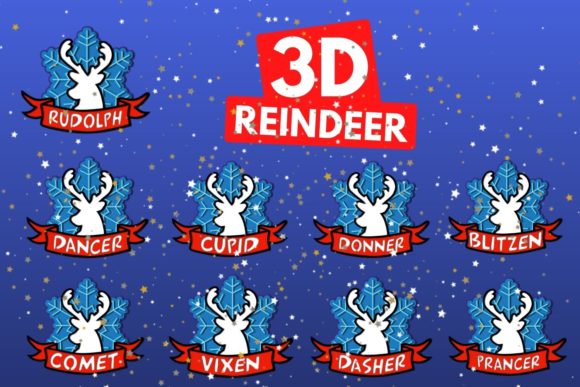
If you have ever stared at a blank piece of plywood or a sheet of acrylic and wondered how to turn it into something that looks less like raw material and more like a finished product, you are not alone. This is where 3D Sock Layered Cut Files come into play. These are not just simple line drawings; they are complex digital blueprints designed to create depth, texture, and visual interest through the strategic layering of cut materials.
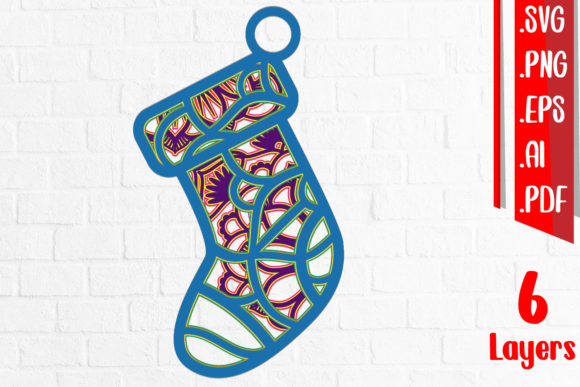
When you purchase these files, you are not buying a physical object. You are receiving an instant digital download, typically packaged as a zip file containing essential formats like AI, EPS, SVG, PDF, and PNG. This variety ensures compatibility with almost any cutting machine on the market today, from high-end commercial lasers to hobbyist CNC routers. The core concept is straightforward: instead of cutting one single shape, you cut multiple layers—each slightly different in size or detail—and stack them together. The result is a "3D sock" effect, where the layers build upon each other to create shadows, highlights, and a tangible sense of volume that flat designs simply cannot achieve.
Understanding the Format and Delivery
Before diving into applications, it is crucial to understand what you are getting. The term "instant digital download" means there is no shipping wait time. Once the transaction is complete, you have immediate access to your assets. However, having the file is only half the equation; knowing how to use it is the other half.
The inclusion of multiple file formats is intentional and highly practical:
- SVG and DXF: These are the workhorses for most laser cutters and vinyl plotters. They contain vector paths that machines can read directly to guide their blades or lasers.
- AI and EPS: Preferred by professional designers using Adobe Illustrator or CorelDRAW. These allow for easy editing of colors, scales, and individual elements before sending them to the cutter.
- PDF: Useful for quick reference or printing as a template if you are doing manual hand-cutting projects.
- PNG: Raster images that serve as visual previews or guides for positioning layers during assembly.
This multi-format approach ensures that whether you are a freelancer working in a corporate design environment or a hobbyist with a desktop Cricut, you have the right tool for the job. The "3D sock" aspect refers to the specific layered technique used in the design, often involving concentric or staggered cuts that mimic the look of stacked rings or nested shapes.
Real-World Applications Across Different Sectors
The versatility of 3D layered designs extends far beyond simple decoration. Let’s look at how different groups actually use these files in their daily workflows and creative outlets.
For Small Business Owners and Entrepreneurs
If you run a boutique brand, custom signage, or handmade goods store, these files offer a cost-effective way to elevate your product line without investing in expensive molds or 3D printing services. Imagine creating custom wall art, branded coasters, or unique gift tags. By layering your logo or a thematic design, you add perceived value. A flat wooden sign looks nice; a layered wooden sign with depth and shadow looks premium. This distinction can justify higher price points and improve customer satisfaction.
Consider a coffee shop owner who wants custom menu boards. Using layered acrylic or wood, they can create a menu that catches the light differently throughout the day, drawing attention to featured items. The "sock" layering technique allows for intricate details—like the foam on a latte or the steam rising from a cup—to be rendered in physical form, adding a touch of whimsy and professionalism.
For Educators and Classroom Projects
In educational settings, particularly in STEM (Science, Technology, Engineering, and Mathematics) or art classes, these files serve as excellent teaching tools. They introduce students to concepts of geometry, scale, and spatial reasoning. When students cut out layers and assemble them, they learn about tolerance (the space between layers), alignment, and structural integrity.
A history teacher might use layered files to create a timeline of events, where each layer represents a decade, building up to the present day. An anatomy teacher could use similar techniques to show cross-sections of organs. The tactile nature of assembling these files reinforces learning in a way that textbooks cannot. It turns abstract concepts into tangible objects that students can hold and manipulate.
For Hobbyists and Home Decor Enthusiasts
Perhaps the largest user base consists of DIY enthusiasts looking to personalize their living spaces. 3D layered files are perfect for creating geometric wall art, nursery decorations, or holiday ornaments. The "sock" style, with its rounded, nested layers, is particularly popular for modern minimalist decor or playful, organic shapes.
Imagine creating a set of hanging mobiles for a baby’s crib. By using soft woods like birch or basswood, and painting them in pastel tones, parents can create safe, visually stimulating environments. Or, consider a holiday project: layered snowflakes or pumpkins that change appearance depending on the angle of view. These projects provide a satisfying creative outlet and result in unique home decor that reflects personal taste rather than mass-produced uniformity.
Material Choices and Machine Compatibility
One of the biggest advantages of using digital cut files is the flexibility in material choice. The design itself is neutral; it is the material that defines the final aesthetic and function.
- Plywood and MDF: These are the go-to materials for beginners and professionals alike. Plywood offers a natural, warm look with visible grain, which adds character to layered designs. MDF (Medium Density Fiberboard) provides a smooth, uniform surface ideal for painting. Both are affordable and widely available.
- Acrylic and Plexiglas: For a sleek, modern, or industrial look, acrylic is unmatched. It comes in various colors and finishes, including transparent, opaque, and glitter-infused options. Laser cutting acrylic creates polished edges that require no sanding, resulting in a glass-like finish. This is ideal for awards, trophies, or high-end signage.
- Metal: Thinner metals like aluminum or brass can be laser cut to create durable, long-lasting pieces. Layered metal designs can have a sophisticated, architectural feel, suitable for office decor or commemorative plaques.
However, material choice dictates machine requirements. Not all machines can cut all materials. A standard vinyl cutter cannot cut wood. A CO2 laser is excellent for wood and acrylic but may struggle with reflective metals unless equipped with a fiber laser module. Always check your machine’s specifications against the recommended materials listed with your file download.
Practical Considerations Before You Start
While the promise of 3D layered art is exciting, there are practical steps to ensure success. First, always test your design on scrap material before committing to your final piece. Wood grain direction, thickness variations, and machine calibration can affect the outcome. A layer that fits perfectly on one piece of plywood might be too tight or loose on another due to natural imperfections.
Second, pay attention to the layer order. The provided PDF or image preview usually indicates the stacking sequence. Getting this wrong can ruin the 3D effect, making the design look disjointed or upside down. Use small dots of glue or temporary tape to hold layers in place while you verify the alignment.
Third, consider the finish. Raw wood may need sanding or sealing. Acrylic may scratch easily during handling. Plan your finishing process—painting, staining, varnishing, or leaving natural—as part of your overall workflow. This planning saves time and prevents frustration later on.
Conclusion
3D Sock Layered Cut Files represent a bridge between digital precision and physical craftsmanship. They empower creators across various fields—from educators to entrepreneurs—to produce high-quality, visually striking projects without the need for complex machinery or extensive technical skills. By understanding the formats, materials, and assembly techniques involved, you can unlock a new level of creativity in your work. Whether you are making a gift for a loved one, a centerpiece for your business, or a teaching aid for your students, these files offer a flexible, accessible, and rewarding path to bringing your ideas to life.