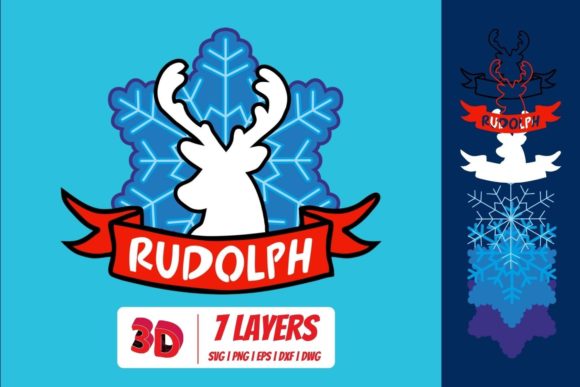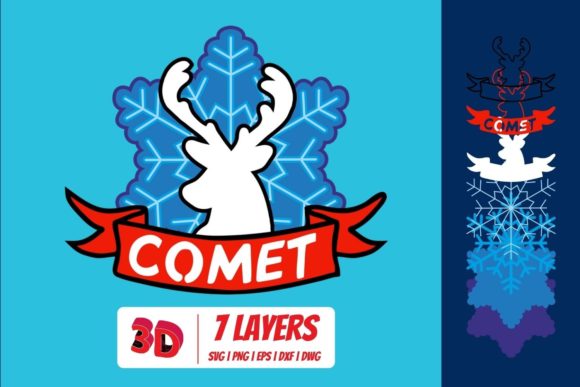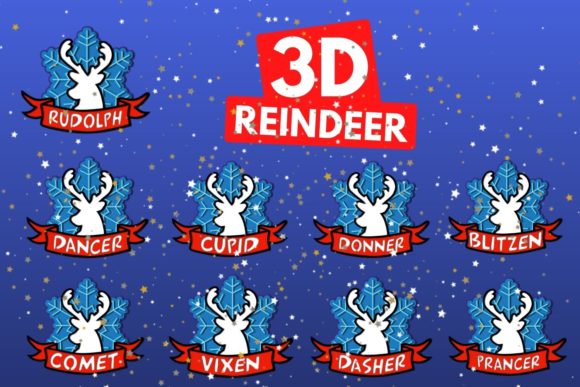
3D Layered Dasher SVG Cut File
In the realm of digital fabrication and creative design, the transition from a concept on a screen to a tangible object relies heavily on the precision of the source file. A 3D Layered Dasher SVG Cut File represents more than just a graphic; it is a structural blueprint designed for depth, dimension, and visual impact. For professionals and hobbyists alike, understanding how to integrate this specific asset into a workflow is crucial for achieving high-quality results in signage, party decor, wall art, and promotional materials.
The term "layered" implies complexity beyond standard vector graphics. Unlike a flat image that relies solely on color and shape to convey meaning, a layered SVG uses overlapping elements to create shadows, highlights, and physical depth when cut from materials like cardstock, vinyl, foam board, or wood. The "Dasher" theme suggests a dynamic, perhaps holiday-oriented or energetic motif, but the technical application remains universal: it requires careful planning, software compatibility, and precise execution to realize its three-dimensional potential.
Understanding the Asset Structure
Before diving into implementation, it is essential to dissect what makes a 3D layered file distinct. When you download a package containing an SVG, DXF, PNG, and EPS format, you are acquiring a suite of tools tailored for different stages of production and various software environments. This multi-format approach ensures flexibility, allowing users to move seamlessly between professional design suites and consumer-grade cutting machines.
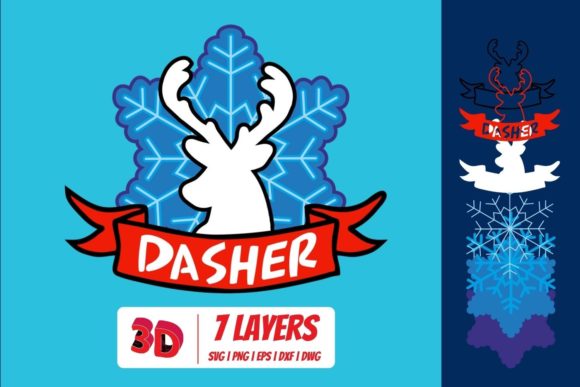
The core component, the SVG (Scalable Vector Graphics) file, serves as the primary driver for most modern cutting software. Because it is vector-based, the lines are defined by mathematical equations rather than pixels, ensuring that no matter how much you scale the design up for a large banner or down for a small gift tag, the edges remain crisp and clean. In the context of a 3D layered design, the SVG contains multiple paths grouped together. These groups correspond to the different layers of the final project. Each layer must be cut separately and then adhered to the previous one to build the illusion of depth.
Software Compatibility and Workflow Integration
The usability of the 3D Layered Dasher SVG Cut File depends largely on the software ecosystem you utilize. The file is engineered to be compatible with a wide array of platforms, catering to both enterprise-level designers and entry-level crafters.
- Cricut Design Space: For users of Cricut machines, the SVG imports directly. However, because it is a layered design, you must ensure that the layers are ungrouped and separated correctly within the canvas. This allows you to assign different colors or materials to each layer if desired, though typically, they will share a base material color to maintain the shadow effect.
- Silhouette Studio Designer Edition: This software offers robust vector editing capabilities. The SVG can be opened here to adjust layer spacing or modify intricate details before sending the job to the cutter. The Designer Edition provides more control over pen tools and laser settings compared to the basic version.
- Make the Cut (MTC) & Sure Cuts A Lot (SCAL): These popular third-party programs allow for advanced manipulation of cut files. SCAL, in particular, is known for its ability to handle complex layered files efficiently, offering features like nesting to minimize material waste during the cutting process.
- Brother ScanNCut Canvas: Users of Brother’s ecosystem can import the SVG to leverage the machine’s intuitive interface. The layered nature of the file helps in previewing the final assembly, reducing errors before any material is consumed.
For those working in traditional graphic design environments, the inclusion of EPS (Encapsulated PostScript) and DXF (Drawing Exchange Format) files is vital. The EPS file is ideal for Adobe Illustrator and CorelDraw, allowing for fine-tuning of anchor points and color profiles before export. It is particularly useful for businesses that need to add custom text or logos to the Dasher design while maintaining print-ready quality. The DXF file, meanwhile, is the standard for Silhouette Basic Edition and other CAD-like applications. While it may lack some of the color data found in SVGs, it retains the geometric integrity required for accurate cutting.
Preparation and Quality Control
Integrating a 3D layered file into a project is not merely a matter of hitting "cut." The success of the final product hinges on preparation and quality control. One of the most common pitfalls in layered cutting is ignoring the scale of the design. If the layers are too close together, the adhesive might seep through or the layers might fuse unintentionally. Conversely, if they are too far apart, the 3D effect looks disjointed.
When opening the file in your chosen software, always check the dimensions. Ensure that the design fits within the maximum cutting area of your machine. If scaling is necessary, do so proportionally. It is also critical to inspect the paths for any overlaps or gaps. In a 3D design, even a tiny overlap between non-adjacent layers can cause the entire structure to jam or tear during removal from the carrier sheet.
The inclusion of a PNG (Portable Network Graphics) file at 300 DPI with a transparent background serves a different purpose. This is not used for cutting but for visualization and marketing. You can use this PNG to mock up the final product in presentations, social media posts, or client proposals. It allows stakeholders to see the aesthetic outcome without needing to physically produce the item first. This is particularly useful for freelancers and marketers who need to pitch ideas quickly and effectively.
Execution and Assembly Strategies
Once the file is prepared and sent to the cutter, the physical execution begins. The choice of material significantly impacts the final look. Cardstock is the most common choice due to its ease of cutting and availability in various weights and colors. For a more durable sign, corrugated plastic or foam board might be preferred, though these require sharper blades and slower cutting speeds.
The assembly process is where the "3D" aspect truly comes to life. Start with the largest, back-most layer. Apply adhesive to the designated tabs or areas—avoiding the outer edges to prevent glue squeeze-out—and attach the next layer. Repeat this process, building up from the background to the foreground. Using a bone folder or a similar tool to burnish the layers ensures a strong bond and eliminates air bubbles.
Efficiency plays a key role here. If you are producing multiple units, consider creating a jig or template to align the layers consistently. This reduces assembly time and ensures uniformity across batches, which is essential for small business owners selling handmade goods. Organization of the workspace is also paramount; keep all tools, adhesives, and cut pieces sorted by layer number to prevent confusion.
Long-Term Use and Versatility
The value of the 3D Layered Dasher SVG Cut File extends beyond a single project. Because the source files are digital, they can be reused indefinitely. This makes them a cost-effective asset for educators teaching design principles, bloggers creating content about DIY crafts, or entrepreneurs testing new product lines. The versatility of the formats means that as your business grows and your software upgrades, the file remains usable.
Furthermore, the layered structure allows for customization. You can experiment with different color combinations for each layer to match seasonal themes or brand guidelines. For instance, changing the accent colors of the Dasher design can transform it from a Christmas decoration to a general winter-themed piece. This adaptability increases the return on investment for the initial purchase.
However, it is important to respect licensing agreements. While the file provides technical freedom, commercial usage rights vary by vendor. Always review the terms associated with the download to understand whether you can sell physical items made from the file or if usage is restricted to personal projects. This clarity protects your business from legal issues and ensures ethical practices within the creative community.
Conclusion on Integration
Successfully utilizing a 3D Layered Dasher SVG Cut File requires a holistic approach that blends technical proficiency with creative vision. By leveraging the appropriate software, preparing the file meticulously, and executing the assembly with care, creators can produce stunning dimensional artwork. Whether you are a seasoned professional optimizing your production line or a hobbyist exploring new techniques, this asset offers a reliable foundation for high-quality output. The key lies in treating the digital file not just as an image, but as a set of instructions for construction, respecting the nuances of layering, material behavior, and software interaction to bring the design to life.