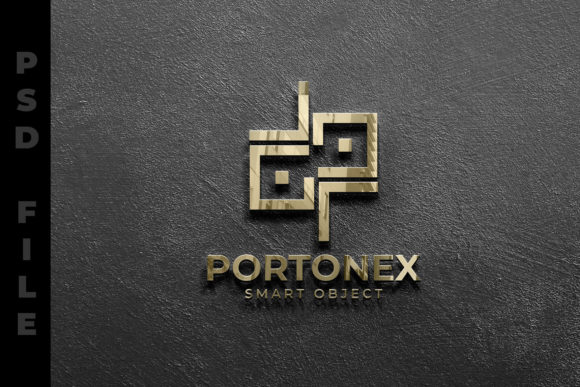
3D Gold Reflection: A Practical Evaluation for Premium Brand Presentation
In the competitive landscape of digital branding and visual communication, the difference between a standard logo presentation and a high-impact brand asset often lies in the details. For professionals ranging from freelance designers to established marketing agencies, the ability to showcase creative work with clarity and sophistication is paramount. This is where specialized mockup resources become indispensable tools in a designer’s workflow. Among these, 3D Gold Reflection has emerged as a notable option for those seeking to elevate their portfolio presentations, client pitches, and product showcases.
This evaluation examines the practical utility, technical specifications, and aesthetic quality of this specific mockup template. By analyzing its features against industry standards for realism and usability, we can determine whether it serves as a valuable addition to your design toolkit or if it falls short of professional expectations.
The Role of Realistic Mockups in Modern Design Workflows
Before diving into the specifics of the 3D Gold Reflection asset, it is essential to understand why realistic mockups are critical in contemporary design practice. A logo on a white background tells only part of the story. Clients and stakeholders need to visualize how a brand identity functions in three-dimensional space. They need to see texture, lighting, and context. High-quality mockups bridge the gap between a flat digital file and a tangible brand experience.
Super realistic mockups achieve this by simulating physical properties such as light refraction, surface imperfections, and material weight. When executed well, they convey a sense of premium quality that directly influences how a client perceives the value of the design work. The 3D Gold Reflection template aims to capitalize on this psychological impact, offering a luxurious aesthetic that suggests prestige and attention to detail. However, the effectiveness of any mockup depends heavily on its technical execution and ease of use within standard design software.
Technical Specifications and File Structure
For a mockup to be truly useful in a professional environment, it must integrate seamlessly into existing workflows. The 3D Gold Reflection package is delivered as an Adobe Photoshop PSD file, which is the industry standard for raster-based editing. The inclusion of a JPG preview image allows users to quickly assess the final output before opening the larger source file, while a user guide provides necessary instructions for implementation.
The core strength of this template lies in its layer organization. Professional designers spend a significant portion of their time troubleshooting messy files; therefore, a well-structured PSD is a major advantage. This particular mockup utilizes Smart Objects, a feature that simplifies the process of inserting custom designs. Instead of manually warping, masking, and blending a logo into a complex 3D scene, designers can simply double-click the Smart Object layer, paste their artwork, and save. The software automatically applies the necessary transformations, ensuring the design conforms to the perspective and lighting of the gold surface.
Furthermore, the file boasts a resolution of 300 dpi. This is a non-negotiable standard for print-ready materials and high-resolution digital displays. Low-resolution mockups can undermine even the best design work by introducing pixelation or blurriness. The high resolution of this template ensures that fine details in the logo remain sharp and legible, regardless of how closely a client inspects the image.
Aesthetic Quality and Realism
The defining characteristic of this mockup is its focus on "Gold Reflection." In design terms, rendering metallic surfaces is notoriously difficult because metals do not have a single color; they reflect their environment. A poor gold render often looks like yellow plastic or orange clay. To achieve a realistic gold effect, the mockup must accurately simulate specular highlights, ambient occlusion, and environmental reflections.
This template appears to prioritize a real-photo-based approach rather than relying solely on generated textures. Real photo-based assets tend to have more organic imperfections—subtle scratches, dust particles, or uneven lighting gradients—that lend authenticity to the image. When combined with a super realistic 3D render, the result is a composite that feels tactile. The interplay of light across the curved surfaces of the gold object creates depth, making the logo appear embedded or embossed rather than merely pasted on top.
The changeable background feature adds another layer of flexibility. While the gold reflection provides a strong focal point, the ability to alter the surrounding environment allows designers to tailor the mood of the presentation. A dark background might emphasize luxury and exclusivity, suitable for high-end fashion or jewelry brands. A lighter, neutral background might suggest modernity and cleanliness, fitting for tech startups or corporate entities. This versatility extends the utility of the single file across multiple project types.
Usability and Workflow Efficiency
Time is a scarce resource for freelancers and agency staff alike. The efficiency of a tool is measured by how much time it saves without compromising quality. The 3D Gold Reflection mockup excels in this area due to its intuitive Smart Object setup. There is no need for advanced knowledge of perspective grids or manual displacement maps. The organized layers ensure that if adjustments are needed—such as tweaking the brightness of the reflection or adjusting the contrast of the background—the changes can be made independently without affecting the entire composition.
However, users should be aware that working with high-resolution, multi-layered PSD files requires a computer with adequate RAM and processing power. Opening a 300 dpi file with complex smart filters can be sluggish on older hardware. Additionally, while the template is easy to edit, achieving the perfect placement of a logo may require some trial and error regarding scale and position within the Smart Object. It is not entirely "one-click" perfection, but the margin for error is small, and the results are generally consistent.
Ideal Use Cases and Target Audience
Who benefits most from this specific asset? The primary audience includes graphic designers who frequently present logo concepts to clients. It is particularly effective for:
- Branding Agencies: When pitching comprehensive brand identities, a premium mockup reinforces the perceived value of the service.
- Freelance Designers: Independent creators can use this to compete with larger firms by presenting their work in a polished, professional manner.
- Entrepreneurs and Small Business Owners: Those creating their own branding materials can use this to visualize their logo on potential packaging or signage, aiding in decision-making.
- Marketers and Content Creators: Social media posts featuring high-quality mockups often generate higher engagement rates due to their visual appeal.
Situations where this mockup shines include product launches, award submissions, portfolio website headers, and social media announcements. The gold theme specifically suits industries related to finance, luxury goods, legal services, and high-end hospitality. It may be less appropriate for brands aiming for an eco-friendly, minimalist, or rugged aesthetic, where a raw material or matte finish would be more authentic.
Potential Limitations and Considerations
No asset is without limitations. One potential drawback of highly stylized templates like 3D Gold Reflection is the risk of overuse. If every designer uses the same gold mockup, the unique selling proposition of the design itself can get lost in the template. It is crucial to ensure that the mockup complements the design rather than overpowering it. Designers should consider varying their presentation styles to maintain originality.
Additionally, the realism of the reflection depends on the complexity of the logo being inserted. Very thin lines or low-contrast colors might get lost in the intricate details of the gold texture. Users should test their logos at various scales to ensure readability. Finally, while the background is changeable, the lighting on the gold object is fixed relative to the camera angle. If a project requires the logo to be viewed from a drastically different angle, this single file may not suffice, and a more versatile set of angles would be necessary.
Final Verdict on Practical Value
The 3D Gold Reflection mockup represents a solid investment for professionals who prioritize visual impact and efficiency. Its combination of high resolution, organized layers, and realistic texturing addresses the core needs of modern design presentations. By leveraging Smart Objects, it reduces technical friction, allowing designers to focus on creativity rather than file management.
While it is a niche asset suited primarily for luxury or premium brand contexts, its execution is robust. For those looking to add a touch of elegance and professionalism to their portfolio or client deliverables, this template offers a reliable and stylish solution. It does not replace the need for good design principles, but it certainly enhances the delivery of those principles, ensuring that the work is seen in the best possible light.